
Phlebotomy: Its Importance in Modern Healthcare
You’ve heard about phlebotomy and how crucial it is in modern healthcare, right? But you may be wondering, what are some of the most common use cases for phlebotomy? Let’s dive in and find out!
Undoubtedly, one of the most frequent use of phlebotomy is in diagnosing diseases. Blood tests are essential in helping doctors detect and monitor numerous illnesses. The process involves analyzing the blood sample to identify the cause of symptoms, monitor existing conditions, or evaluate the effectiveness of a treatment.
Remarkably, phlebotomy also plays a stellar role in treatment procedures. A fantastic example here is therapeutic phlebotomy used to treat conditions where there is too much iron or red blood cells in the body such as in cases of hemochromatosis or polycythemia.
Moreover, phlebotomy is essential in the collection of blood for donations. The blood collected here can be used in transfusions, especially in emergency situations. Plus, your blood donation can also be used to help those who need regular transfusions due to specific chronic conditions.
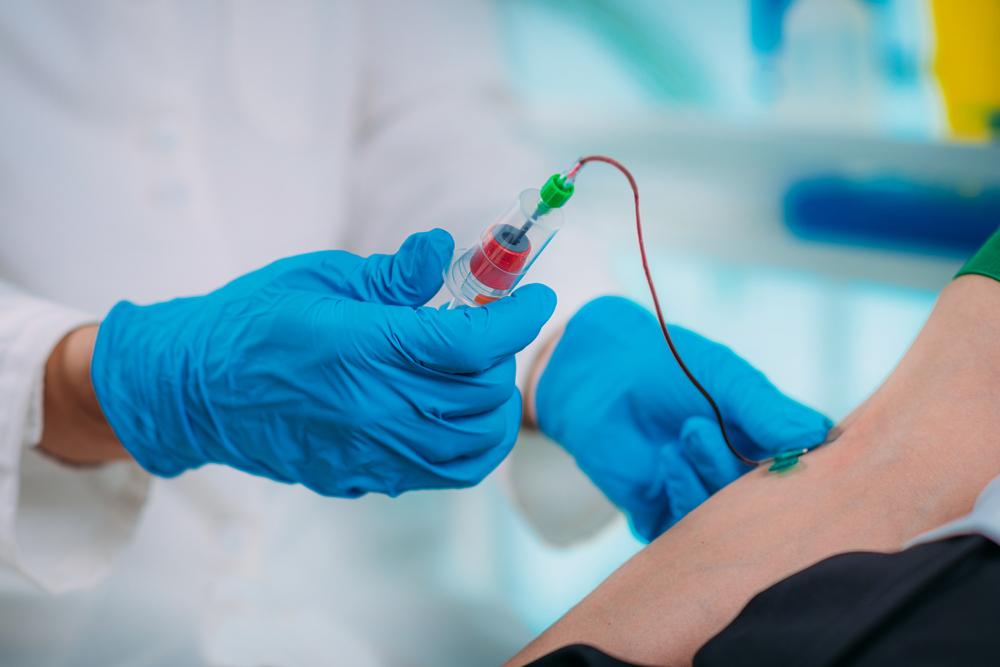
Remember, whether it’s for diagnosing, treatment, or donation, the process is virtually the same. The phlebotomist will cleanse the area, insert a needle into a vein, and collect the blood into appropriate tubes or bags.
Last but definitely not least, phlebotomy has an indisputable role in research and experimentation. That’s especially in the medical and pharmaceutical sectors where blood samples could be used to study diseases, test medications, or develop new treatments.
And there you have it! These are some of the most common and interesting uses of phlebotomy. There’s no denying how invaluable this medical procedure is in modern healthcare.
A Quick Look Into The Variety of Phlebotomy Use Cases
| Use Cases | Description |
|---|---|
| Disease Diagnosis | Blood tests are conducted to detect and monitor diseases. |
| Treatment Procedures | Therapeutic phlebotomy can be used to treat certain diseases. |
| Blood Donations | Phlebotomy is used to collect blood for use in transfusions. |
| Research and Experimentation | Blood samples are used in medical and pharmaceutical research. |
Let’s take a closer look at the use cases we’ve identified:
Disease Diagnosis
Being a crucial tool in the medical field, phlebotomy primarily aids in the diagnosis of diseases. It allows for the detection of various health conditions; specific markers and antibodies found in a blood sample can signify the presence of diseases like diabetes, cancer, cardiovascular problems, and infectious diseases like HIV and hepatitis. Regularly running blood tests also enables doctors to monitor the progress of a disease.
Treatment Procedures
More than just a diagnostic method, phlebotomy holds therapeutic value as well. In a process known as therapeutic phlebotomy, blood is drawn out to treat certain conditions. For instance, it’s used to reduce iron or red blood cell levels in patients with hemochromatosis or polycythemia, respectively. It’s fascinating how a simple act of drawing blood can improve one’s health condition, isn’t it?
Blood Donations
The essentiality of phlebotomy extends to the societal realm as well. Your familiarity with blood donation drives possibly stem from this application of phlebotomy, where blood collected from healthy donors is used for transfusions. Every pint of blood you donate could potentially save up to three lives.
Research and Experimentation
Last but certainly not least, blood samples drawn via phlebotomy play a significant role in medical and pharmaceutical research. Studying these samples help in the development of new drugs and treatments, investigating disease mechanisms, and even tailoring personalized treatment methods. Without phlebotomy, much of the medical advancement we see today won’t have been possible.
Why Phlebotomy is a Crucial Skill in the Medical Field
When it comes to the medical field, no stone can be left unturned in pursuit of ensuring the best possible patient care. If you’ve ever wondered about the seemingly mundane process of blood drawing or phlebotomy, listen up! It holds more importance than you might think. Phlebotomy, the act of making an incision in a vein with a needle to extract blood, is actually a fundamental procedure within the medical sphere. It’s not a mere needle-prick, but a crucial skill every health professional needs to master. Now, let’s get started with why phlebotomy is given such a significant place in healthcare.
Improved Patient Care
If you’ve ever been on the receiving end of a phlebotomy procedure, you’ll know the importance of a skilled practitioner. We’re talking about the deftness of their hands, their gentle approach, and their ability to hit the vein right on the spot. This all comes down to training in phlebotomy. A properly conducted procedure can limit patient discomfort and anxiety, increasing their satisfaction with the healthcare service.
Detection of Life-Threatening Conditions
Imagine if a serious health disorder could be caught on time just because a small amount of your blood was correctly drawn and analysed? It’s amazing and happens every day in clinics and hospitals across the globe. Phlebotomy plays a pivotal role in detecting potentially life-threatening conditions like heart diseases, diabetes, and cancer, allowing early intervention and treatment.
Preventing Health complications
Did you know that missteps in the phlebotomy procedure can lead to complications like hematomas, phlebitis, and infection? A well-trained phlebotomist knows the right ways to avoid these problems, making the process safer and more comfortable for the patient. That’s why it’s so important for medical practitioners to have this skill in their toolkit.
With these points in mind, it’s clear that phlebotomy is not just taking blood, it’s a vital part of the patient care process, from diagnosis to treatment. So, next time you see a phlebotomist, you’ll have a deeper appreciation for the important work they do. Now, that’s what we call a small prick with a big purpose!
Leave a Reply