
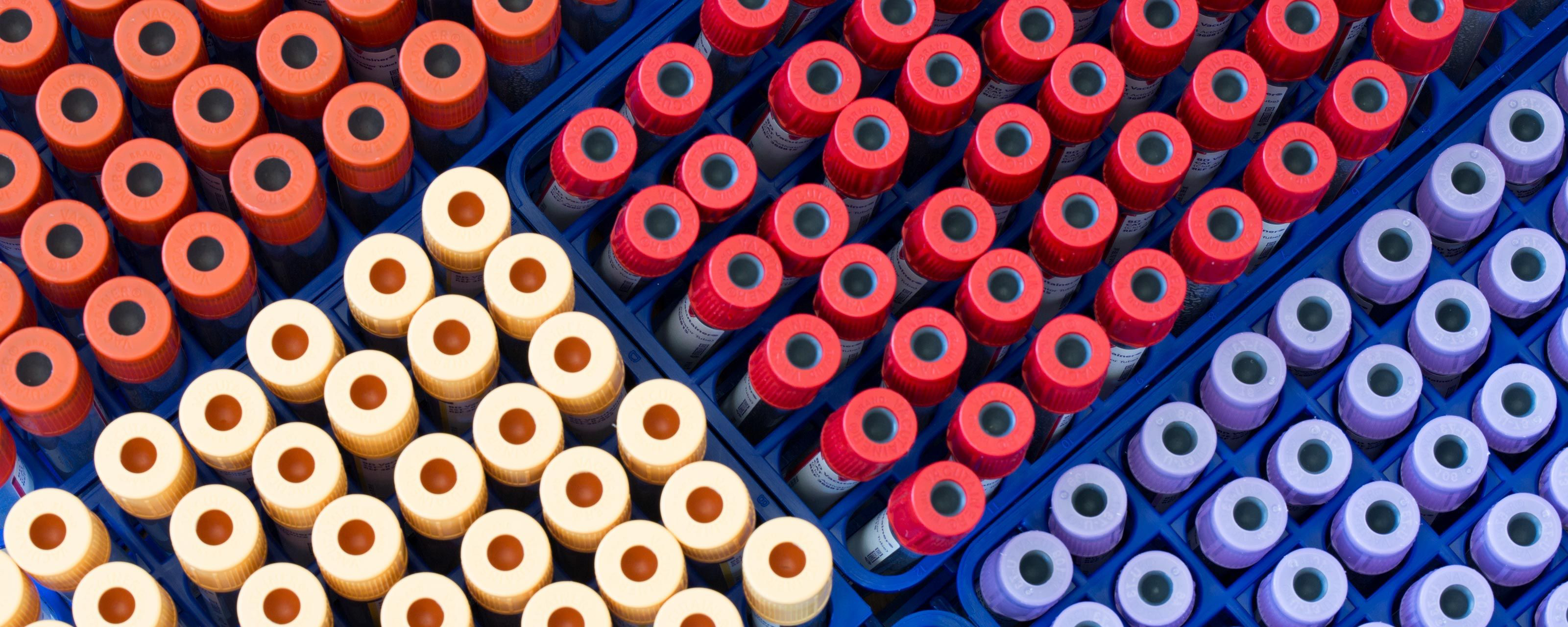

At some point in our lives, we all face the inevitability of undergoing a blood test. These essential medical exams may occur during routine check-ups or when screening for specific health conditions. Blood tests offer crucial insights into our health, such as iron and other nutrient levels, which could be perfectly nominal or exhibit deficiencies.
Preparation for a blood test often includes fasting – a procedure that involves refraining from consuming any food or drink for a period of 8-12 hours before the appointment. This requirement, however, is not universal for all tests. Each blood test has its unique requirements, and it falls on the professional, the phlebotomist, to understand this variability. It’s their responsibility to determine if fasting is necessary, whether intake of liquids is permissible during the fasting period, and the duration of the fast itself. Armed with this knowledge, they guide patients accordingly, ensuring both adherence to guidelines and the accuracy of test results.
Understanding Fasting for Certain Tests
Doctors rely on blood tests to get a comprehensive view of a person’s health. However, eating or drinking prior to these tests may alter the body’s normal nutrient levels, potentially impacting the results. Consider a hypoglycemic patient, for example. If they eat before a blood test, their blood sugar could rise temporarily, masking the true condition and leading to a misdiagnosis. It becomes challenging for the physician to discern whether the test results reflect the patient’s actual health status (not being hypoglycemic) or merely a response to food intake (hypoglycemic person eating to maintain blood sugar).
The Consequences of Not Fasting Before a Blood Test
Should a patient fail to fast as required, it’s crucial to inform their healthcare provider right away. Depending on the nature of the test and the doctor’s discretion, there might be other tests that can be done instead. Alternatively, rescheduling of the appointment could be necessary. It’s always advisable to postpone an appointment rather than risk an inaccurate diagnosis and unsuitable treatment plan.
Which Blood Tests Require Fasting
Here are the blood tests that require fasting:
- Blood Glucose Test. This blood test measures our blood sugar levels. Fasting time: 8 to 10 hours.
- Gamma Glutamyl Transferase (GGT). This test measures the GGT enzyme and liver health. Fasting time: 8 to 10 hours.
- Glucose Tolerance Test. This test evaluates blood sugar levels. Fasting time: 8 to 12 hours.
- Liver Function Test. This test gathers information about the enzymes and nutrients in the liver. Fasting time: 8 to 12 hours.
- Renal Function Test. This blood test assesses kidney functioning and the body’s ability to dispose of its waste. Fasting time: 8 to 12 hours.
- Vitamin B12 Test. This test evaluates whether people are deficient in vitamin B12 or not and its impacts. Fasting time: 8 to 12 hours.
- Lactose Tolerance Test. This test determines if people can tolerate and consume dairy products. Fasting time: 8 to 12 hours.
While most tests ask for patients to fast for 8 to 10 hours, there are a few that require 12 hours of fasting, including the following:
- Lipid Profile. This blood test assesses the amount of cholesterol and triglycerides in our blood. Fasting time: 12 hours.
- Thyroid Function Test. This test measures thyroid hormones, which are heavily impacted by our diet. Fasting time: 12 hours.
- Iron Test. This test analyzes one’s iron levels, particularly to diagnose people with anemia. Fasting time: 12 hours.Should Patients Fast for Over 12 Hours?It’s important to underscore that patients should refrain from fasting for more than 12 hours. Even though fasting plays a significant role in the accuracy and validity of these blood tests, excessive fasting could lead to dehydration or other adverse effects. When guiding patients about fasting, it’s worth noting that their sleeping time also contributes to the fasting period. So, if they have an early 8 AM appointment for instance, and they’ve been asleep from 9 PM to 7 AM, that’s already a 10-hour fasting period. They just need to ensure they don’t consume anything before the appointment in the morning.Is it Possible for Patients to Consume Liquids?It’s important to understand that fasting for a blood test means more than just avoiding food. It usually means refraining from consuming anything other than water. Even though liquids may not seem the same as food, they can still affect the accuracy of your test results. For instance, the Vitamin C in orange juice could alter the results and generate misleading data. In other words, lab results can’t tell if any fluctuation in enzymes is because it’s your normal physiological level or if the data has been skewed by the vitamins, minerals, or sugar from what you drank. Therefore, try to steer clear of beverages like coffee, tea, soda, alcohol, and juices before you give blood for testing. Remember, it is essential for you to stay hydrated by drinking water. This not only aids your health but also makes the process of drawing blood smoother and quicker. Besides fasting from food and most beverages, there are other activities that you should avoid prior to a blood test:
- Smoking
- Chewing gum
- Using supplements and multivitamins
- Engaging in strenuous exercise
- Taking certain medications – be sure to talk to your doctor about any medications you’re taking before you fast. Some medications might be fine to take as usual, but others might need to be avoided if they should be taken with professionals
Understanding Post Test Precautions and Diet
After you’ve completed your blood tests which required fasting, it’s crucial that you replenish your body appropriately as fasting might leave you feeling weak and lightheaded. Begin by drinking plenty of water to hydrate yourself. You may then reintroduce solids into your diet, starting with light meals.
- Whole grain cereal or toast topped with fruits can be great breakfast options
- For a midmorning snack, a handful of nuts or yogurt can provide the necessary boost.
- Lunch could consist of grilled chicken or turkey with a side of veggies.
- In the evening, you could have a banana smoothie or an orange to maintain your energy levels.
Contribution of Regular Physical Activity Towards Blood Test
Wondering how regular exercises relate to blood tests? Well, regular exercise is known to improve various markers that are often checked in blood tests, such as LDL cholesterol, HDL cholesterol, triglycerides, and blood sugar. This might not directly affect your pre-test fasting, but maintaining a healthy lifestyle including a balanced diet and regular exercise can lead to better overall test results. Therefore, while you need to avoid strenuous activity right before your test, regular, moderate activity is beneficial overall.
Conclusion
In summation, understanding precisely which blood tests require fasting, the contributing role of regular physical activity, and being aware of the dietary precautions post-tests are crucial elements in obtaining clear and accurate results. The seemingly small yet vital details, like fasting before specific blood tests like glucose testing or lipid panels, are instrumental in preventing any skewed results. Regular physical activity keeps your blood components, including sugar and cholesterol levels, in check – contributing towards healthier readings in your tests. And finally, adhering to dietary precautions post-test panders to the possibility of altered states your body might be in post-testing. In essence, these steps offer a better perspective on one’s health status, assisting both you and your healthcare provider in making informed decisions about your overall health management.
Leave a Reply